
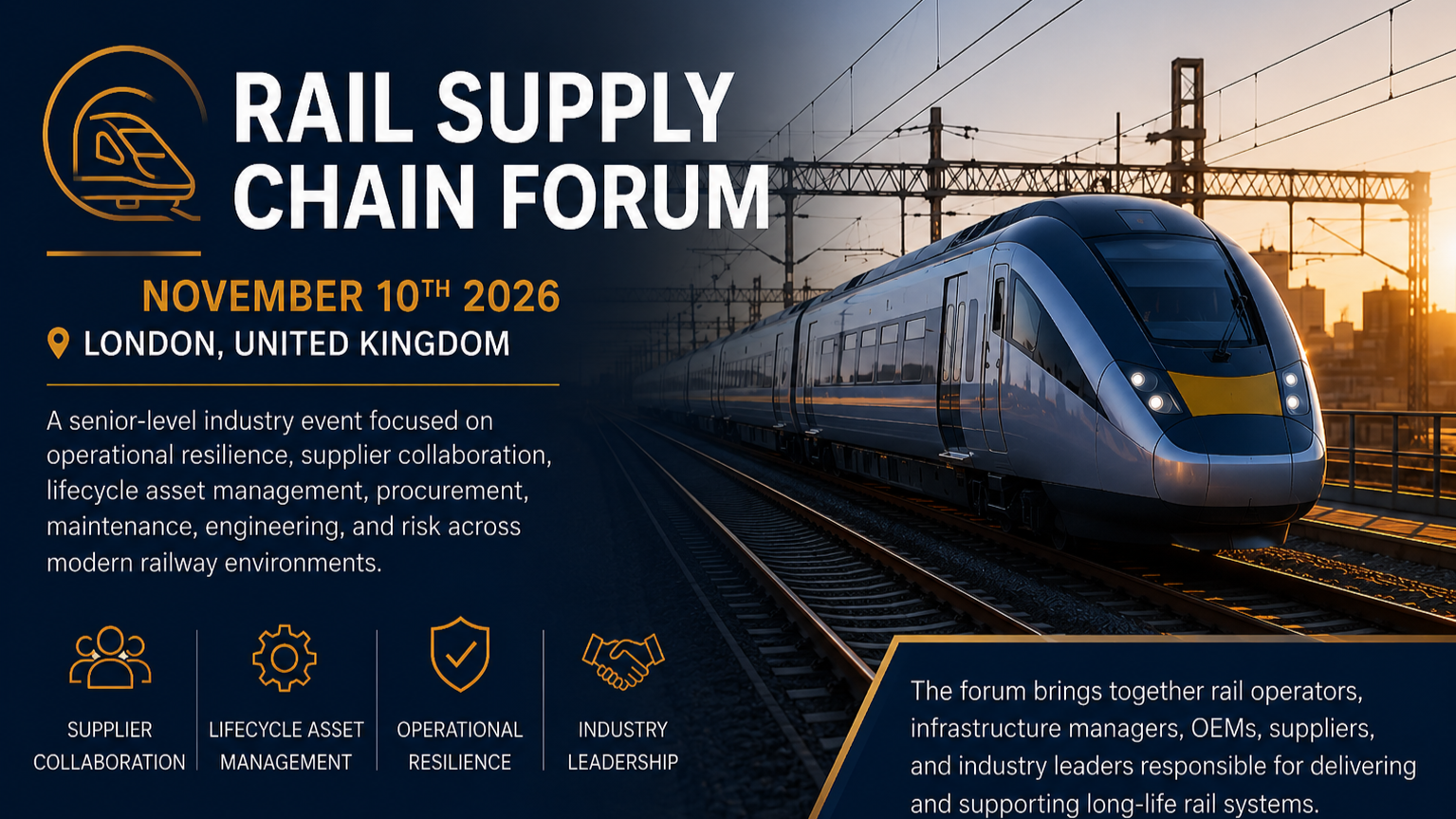
Rail Supply Chain Forum | November 10th 2026 London United Kingdom
Operating Railways Through Complex Supplier Ecosystems
An executive leadership forum examining supplier assurance, asset management, operational readiness, systems integration, procurement and infrastructure delivery across modern railway environments.
Presented by the team behind the Rail Cybersecurity Summit, serving the rail sector since 2013.
Rail Supply Chain Forum is a senior-level industry event focused on operational resilience, supplier collaboration, lifecycle asset management, procurement, engineering, maintenance, and risk across modern railway environments. The forum brings together rail operators, infrastructure managers, OEMs, suppliers, contractors, and technology leaders responsible for delivering, maintaining, and supporting long-life rail systems.
As rail networks become increasingly connected, software-driven, and operationally complex, organisations face growing pressure around supplier assurance, component lifecycle management, infrastructure modernisation, resilience, standards implementation, and operational continuity. The Rail Supply Chain Forum provides a practical, operator-led environment to examine these challenges through real-world discussion, cross-sector insight, and collaborative industry engagement.
Topics include supply chain transparency, asset reliability, maintenance strategy, engineering coordination, procurement alignment, operational risk, supplier integration, infrastructure resilience, and the long-term management of delivered rail systems and services.
Speakers
Confirmed speakers and contributors include senior leaders from Network Rail, Anglia Railway, East West Rail, DfT Operator Limited, Jacobs and Arcadis. Further announcements will follow.
To be considered contact jamison@operationalriskcouncil.com
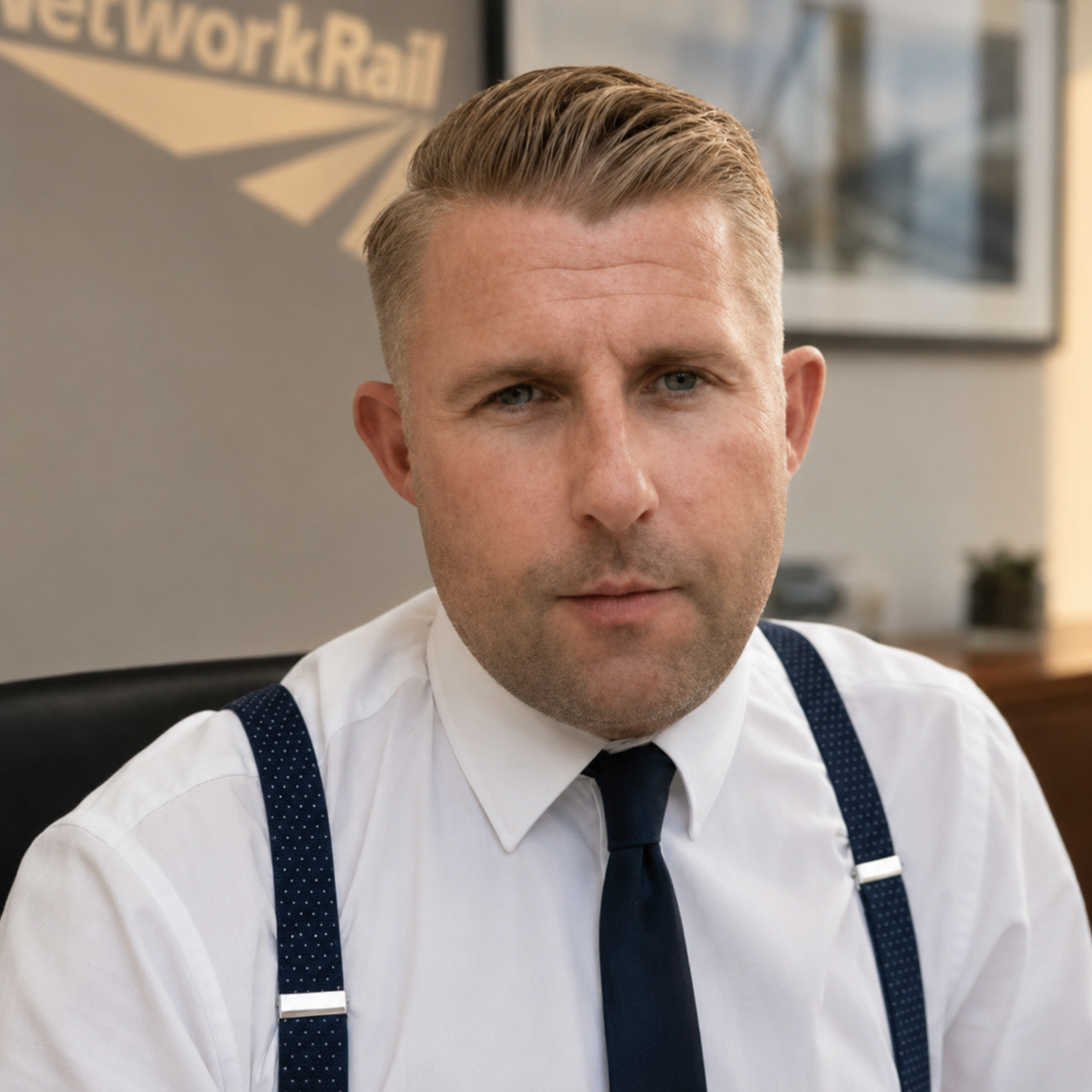
Network Rail
Robert Cairns
Major Investments & Capital Transformation Director
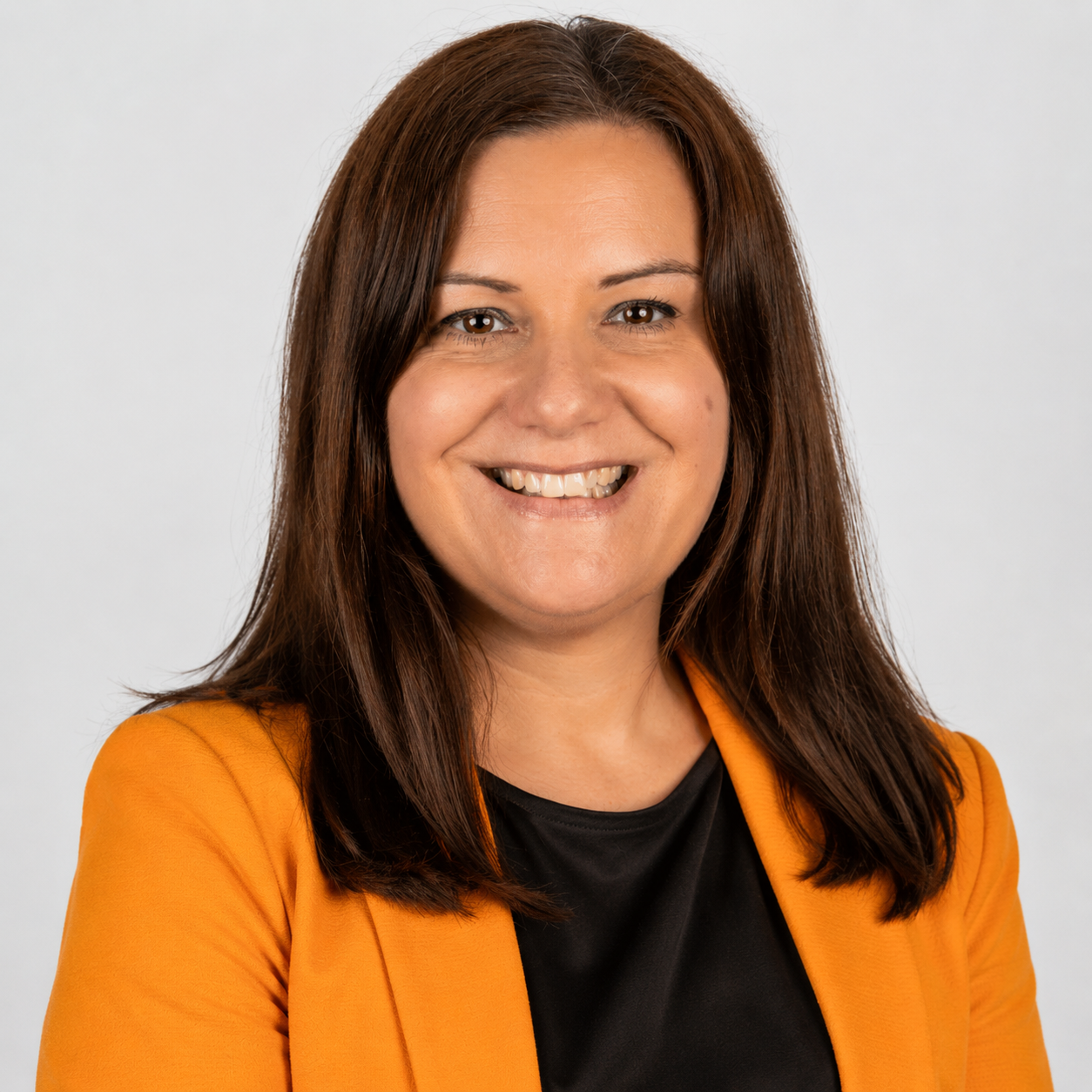

Anglia Railway
Natalie Allen
Strategy and Change Director

Network Rail | East West Rail
Kayleigh Spires
Major Programme Director
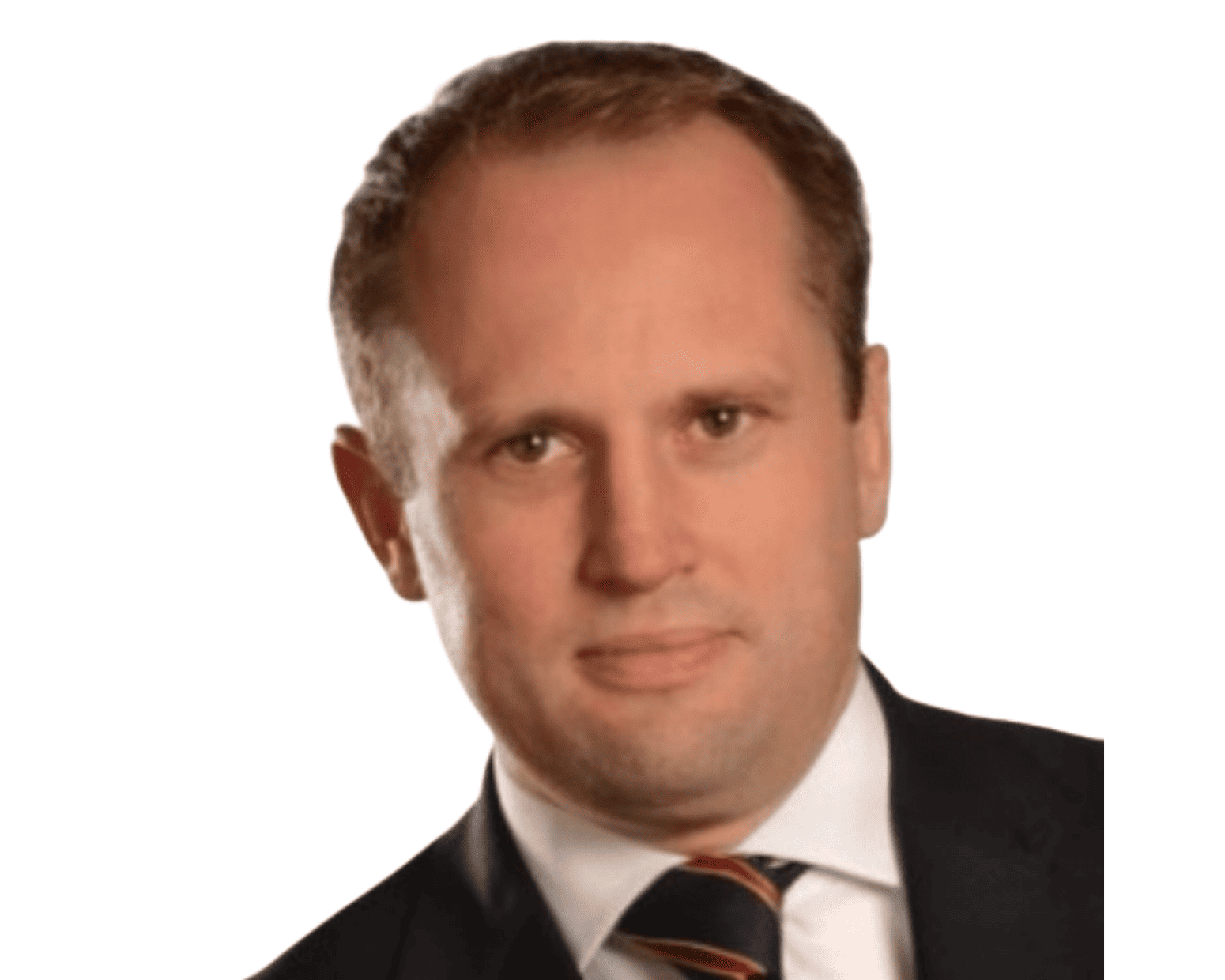
East West Railway
Benjamin Rule
Railway Operations Director
DFTO
Stuart Golding
Senior Supplier Relationship
and Risk Manager
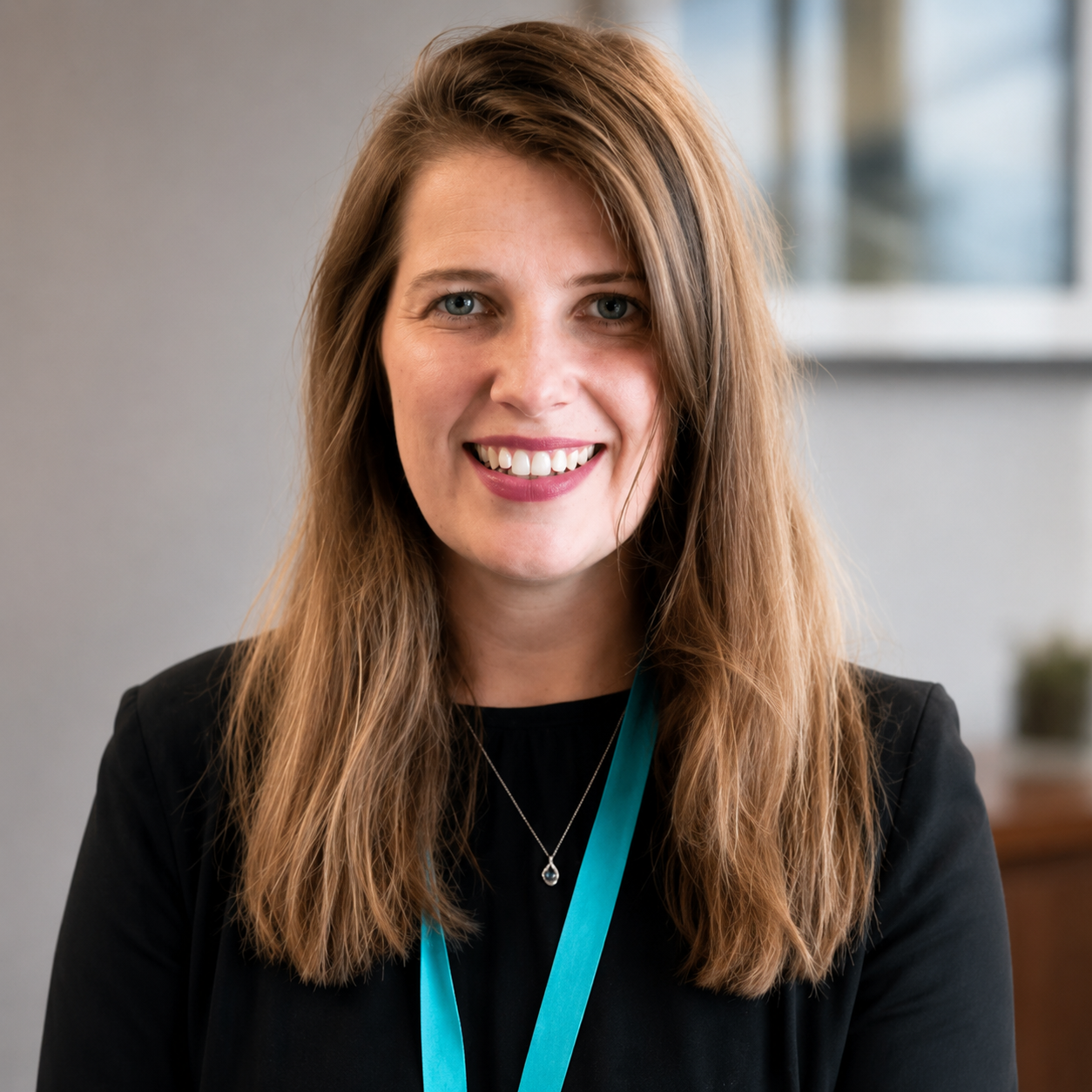
DfT Operator Limited (DFTO)
Laura Heath
Integration Lead
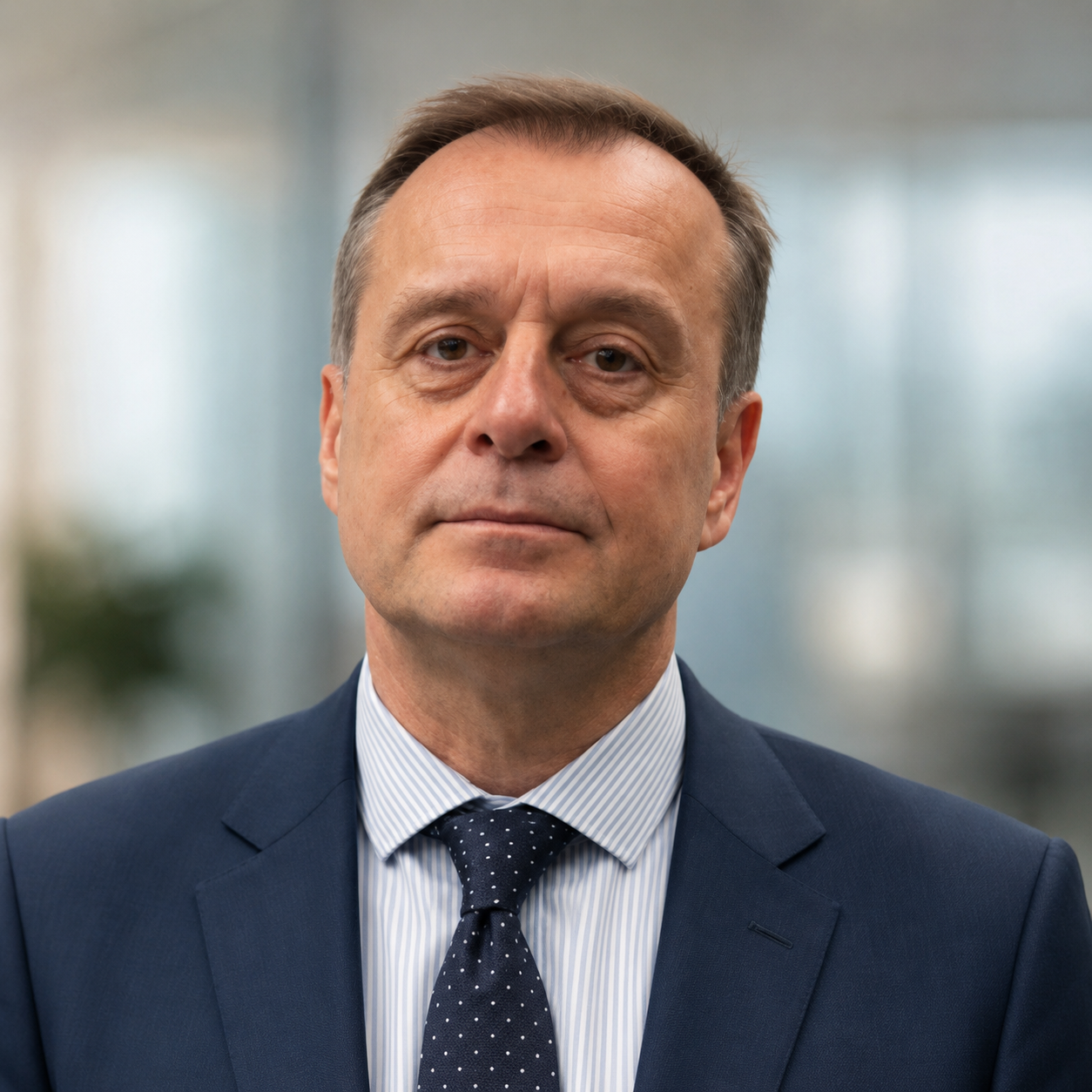
Jacobs
Ivan Lucic
Senior Director of Integrated Systems & Global Principal – Systems thinking and Assurance


Our Chairman
Thales
Kevin Wood
Cyber Design Authority
Arcadis
Bryony Goldsmith
Senior Programme Director
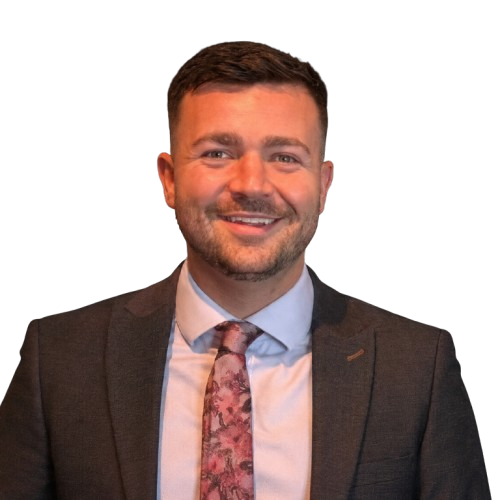
SouthWestern Railway (SWR)
Tony Garofalo
Senior Supplier Relationship Manager

Jacobs
Sam El-Jouzi
Major Programmes VP & Global Principal for High Speed Rail
Agenda
Operating Railways Through Complex Supplier Ecosystems
Senior Leadership Forum · Tuesday 10 November 2026 · London, United Kingdom
A senior-level forum examining how rail organisations can improve integration, operational readiness, supplier collaboration, accountability, assurance and resilience across increasingly interconnected delivery, maintenance, infrastructure and technology ecosystems.
Registration, Coffee & Networking
Welcome & Introduction
Chairman’s Opening Remarks
Opening remarks, an introduction to the forum and the priorities shaping the day’s discussion.
Opening Leadership Keynote
From Vision to Delivery: Preparing the Rail Supply Chain for the Railway Ahead
Robert Cairns · Major Investments & Capital Transformation Director, Network Rail
The railway has a clear direction of travel, but translating that vision into delivery requires the wider supply chain to understand not only where the industry is heading, but what that means in practical terms for investment, capability, collaboration and readiness.
- Where the railway is trying to get to, and why
- What the journey towards that future railway may look like
- Where the sector currently stands in terms of readiness and understanding
- Why suppliers need greater visibility of the strategy beneath the vision
- What greater alignment between clients and the supply chain will require
- The immediate steps needed to build confidence, capability and delivery readiness
Rail Reform & Operational Readiness
From Rail Reform to Operational Readiness: Making Integration Work in Practice
Laura Heath · Integration Lead, DfT Operator Limited
A presentation focused on integration, operational readiness and the practical challenges of turning rail reform into operational reality.
Integration in Practice
Integration in Practice: Setting the Scene for GBR Anglia
Natalie Allen · Strategy & Change Director, GBR Anglia
A perspective on what integration means in practice for GBR Anglia, looking beyond structure and policy to the practical realities of aligning operations, infrastructure, change programmes, partners and delivery activity across a live railway environment.
- What integration means at the route and railway level
- Aligning operations, infrastructure and change activity
- Supporting passenger and freight growth through better coordination
- Managing interfaces between internal teams and external partners
- The practical challenges of moving from strategy into delivery
Coffee & Networking
Major Programme Perspective
Moving from Programme Delivery to Operational Railway Readiness
Kayleigh Spires · Major Programme Director, Network Rail | East West Rail
Ben Rule · Railway Operations Director, East West Railway Company
Exploring the transition from major programme delivery into a railway that can be operated, maintained and supported effectively, with particular focus on interfaces, readiness, operational integration and whole-system outcomes.
Rail Leadership Roundtables I
Building Better Alignment Across Complex Rail Ecosystems. Delegates join one facilitated peer discussion examining current delivery barriers, practical experience and lessons from across the railway.
Integration Across the Live Railway – Turning Alignment into Delivery
Exploring how rail reform, organisational change and integrated working can be translated into practical delivery across infrastructure, train operations, change programmes, suppliers and delivery organisations.
Jointly facilitated by Laura Heath and Natalie Allen
From Strategic Vision to Supply Chain Readiness
Identifying the strategic clarity, confidence and visibility suppliers need to invest, plan, innovate and build the capabilities required by the future railway.
Facilitated by Robert Cairns
The Biggest Problems We Have Not Yet Solved
Exploring the persistent challenges that arise when mature programmes and organisations operate within separate delivery silos.
- What rail clients must own and do differently
- Why duties and accountabilities remain unclear across organisational boundaries
- How organisations can make decisions at whole-system and service level
- How competing infrastructure, programme and operational priorities should be resolved
- Why individual organisations can meet their obligations while the collective railway outcome still falls short
- What needs to change to improve integrated decision-making and accountability
Jointly facilitated by Kayleigh Spires and Ben Rule
Roundtable Report Back
Key Findings from Rail Leadership Roundtables I
Facilitators share the principal challenges, practical lessons and recommendations emerging from each discussion.
Networking Lunch
Engineering & Assurance
Systems Integration and Assurance Across Complex Rail Programmes
Ivan Lucic · Senior Director of Integrated Systems & Global Principal, Jacobs
Addressing engineering assurance, technical governance and coordination across complex supplier-delivered systems, with particular focus on maintaining confidence across organisational and system interfaces.
Organisational Readiness & Major Programme Delivery
From Ambition to Delivery: Building the Organisational Maturity to Deliver Complex Rail Programmes
Sam El-Jouzi · Major Programmes Delivery Director & Global Principal High Speed Rail, Jacobs
- What organisational readiness looks like before major delivery begins
- Identifying and closing capability and capacity gaps
- Preparing organisations for contract award, mobilisation and delivery
- Managing embedded delivery partners while retaining client ownership and control
Major Programme Leadership
Integration and Interface Management Across Complex Delivery Environments
Bryony Goldsmith · Senior Programme Director, Arcadis
Exploring how major programmes can improve coordination across delivery partners, disciplines, suppliers and operational stakeholders while maintaining visibility of critical interfaces and dependencies.
Coffee & Networking
Rail Leadership Roundtables II
Practical Priorities for the Future Railway. Delegates join a second facilitated discussion focused on practical actions, future operating requirements and areas requiring greater industry collaboration.
Engineering Assurance Across Supplier-Delivered Systems
Maintaining technical governance, interface assurance, accountability and engineering confidence where systems, assets and operational interfaces are delivered by multiple organisations.
Facilitated by Ivan Lucic
Supplier Collaboration and Shared Accountability
As rail programmes are increasingly dependent on multiple delivery partners, is the biggest challenge no longer technical delivery, but the organisational maturity needed to align people, governance, behaviours and accountability around shared outcomes?
Facilitated by Sam El-Jouzi
Major Programme Integration and Interface Management
Improving coordination across client organisations, delivery partners, suppliers, disciplines and operational stakeholders while managing complex programme and system interfaces.
Facilitated by Bryony Goldsmith
A Conversation on Shaping the Future of Rail SRM
An open discussion on how strategic supplier relationship management can continue to develop across the railway, bringing together operators, suppliers, OEMs, ROSCOs and delivery partners to examine how stronger and more collaborative supplier relationships can support better railway outcomes.
- Building stronger, more collaborative strategic supplier relationships
- Improving dialogue between rail organisations and strategic suppliers
- Creating greater visibility of priorities, risks and dependencies
- Moving supplier relationships beyond contractual and transactional management
- Developing shared approaches to risk, performance and long-term value
- What clients and suppliers need from each other to make strategic relationships work
Led by Stuart Golding · Senior Supplier Relationship and Risk Manager,
DfT Operator Limited
with Tony Garofalo · Senior Supplier Relationship Manager,
South Western Railway
Roundtable Report Back
Recommendations from Rail Leadership Roundtables II
Facilitators share the most important recommendations, practical actions and unresolved challenges emerging from each discussion.
Closing Leadership Debate
What Must Change First?
If the rail sector could resolve one issue over the next five years, what would have the greatest impact on operational resilience, supplier collaboration and delivery performance?
A closing discussion bringing together perspectives from across the day and identifying the priorities requiring the greatest collective attention from rail clients, operators, delivery organisations and the supply chain.
Closing Remarks
Who Should Attend
The Rail Supply Chain Forum is designed for senior
professionals responsible for delivering, maintaining, managing, procuring, securing, and supporting modern railway systems
and infrastructure.
Typical attendees include:
Rail operators and infrastructure managers
Engineering and maintenance leaders
Procurement and supply chain teams
Asset management and lifecycle specialists
Rolling stock and infrastructure OEMs
System integrators and technology providers
Operational resilience and risk professionals
Programme and transformation leaders
Standards, assurance, and compliance teams
Rail operations and infrastructure delivery teams
Government, regulatory, and industry bodies
Why Attend
The Forum provides a practical, operator-led environment focused on the real-world challenges facing railway supply chains, infrastructure delivery, and long-lifecycle operational systems.
Attendees will benefit from:
Peer-led discussions focused on operational reality
Cross-industry insight from operators, OEMs, and suppliers
Practical discussion around supplier coordination and delivery risk
Greater understanding of lifecycle management challenges in modern rail systems
Insight into infrastructure resilience, maintenance strategy, and operational continuity
Networking with senior decision-makers across the rail ecosystem
Opportunities to explore collaboration across engineering, procurement, operations, and supplier management
Visibility into emerging operational, commercial, and delivery pressures affecting the industry
Key Themes
Supplier assurance and coordination
Lifecycle asset management
Infrastructure resilience and operational continuity
Procurement and engineering alignment
Long-life systems and delivered component management
Maintenance strategy and reliability
Supply chain transparency and dependency risk
Standards implementation and operational governance
Managing complexity across modern railway environments
Sponsors
Partner with the Rail Supply Chain Forum
Engage directly with senior leaders responsible for rail operations, infrastructure, major programmes, procurement, engineering and transformation.
ben.reed@operationalriskcouncil.com
Get in Touch
If you're interested in this event and have further questions, please get in touch. We'll review your message and get back to you within 48 hours.